


New energy and photovoltaic projects are now an outlet. Photovoltaic power generation, wind power generation, and photovoltaic power generation have been supported by policies, market demand has skyrocketed, and related peripheral industries have also ushered in the spring. Today, I will introduce to you the related issues of photovoltaic aluminum core solar cables and copper photovoltaic cables, hoping to help you choose solar cables.
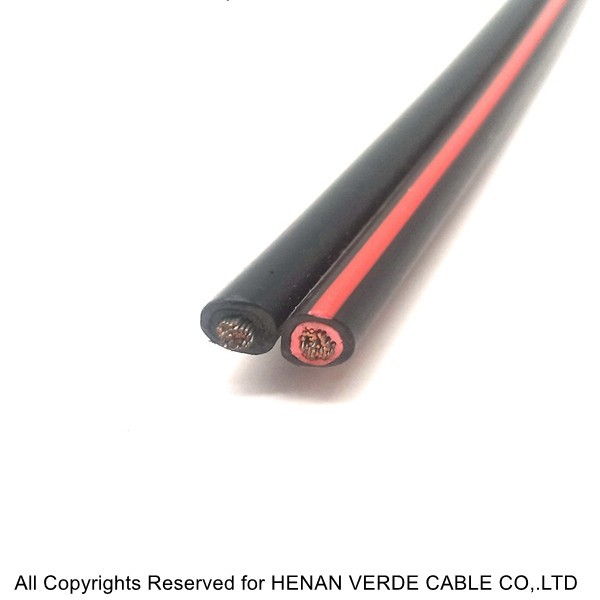
1. Concept
Solar cables, also known as photovoltaic cables, are mainly used in solar power stations. It has the advantages of high temperature resistance, cold resistance, oil resistance, acid and alkali resistance, UV protection, flame retardant and environmental protection, and long service life. They are mainly used in harsh climatic conditions.
At present, the practical application of copper core photovoltaic cables is far greater than that of aluminum core solar cables, but with the production and application of new technologies and new materials, the disadvantages of traditional aluminum core solar cables can also be strengthened through special treatment technology.
The following will introduce the electrical properties of photovoltaic cables in detail, and talk about their advantages and disadvantages.
2. Comparison between the two in terms of cost, weight, service life, and cable current carrying capacity
●Cost. The direct procurement cost of copper core photovoltaic cables is 20%-30% higher than that of aluminum core solar cables.
●Weight. The total weight of the aluminum core solar cable is 25% lighter than that of the copper core photovoltaic cable, and the construction is more convenient.
●Service life. The service life of copper core photovoltaic cable polyethylene is 30 years, and the aluminum core solar cable Dow Chemical XLPE is at least 15 years less than copper core photovoltaic cable.
●Current carrying capacity. Although the physical properties of aluminum core solar cables are slightly inferior to copper core photovoltaic cables, they can be reinforced through technology and special treatment, and are even better than copper core photovoltaic cables.
For example, the unit volume carrying capacity of copper core photovoltaic cables (the amount of current passing through when transmitting electrical energy) is relatively stable, at 100%, but aluminum core solar cables can be solved through process technology. When the cross section of the aluminum core solar cable is increased by 1.5 times, the current carrying capacity of the copper core photovoltaic cable is quite close.
3. Comparison of the advantages and disadvantages of the two
●Corrosion resistance
The corrosion resistance of copper core photovoltaic cables is normal, while aluminum core solar cables form a dense oxide film with strong corrosion resistance.
●Smoke resistance
The smoke blocking light transmittance of copper core photovoltaic cables is greater than 60%, while the smoke blocking light transmittance of aluminum core solar cables is greater than 99%, which has significant advantages in fire prevention.
●Tensile strength and elongation
The tensile strength and elongation of copper core photovoltaic cables are relatively normal, while the tensile strength and elongation of aluminum core solar cables are excellent, which is more conducive to construction and laying.
●Conductivity
The resistance of copper core photovoltaic cables is small, which is conducive to transmission and reduces the risk of heat generation, burnout and short circuit.
●Safety performance
The safety performance of copper core photovoltaic cables is relatively high, and the safety performance of aluminum core solar cables is also relatively safe. The material properties can also be stabilized through process technology, special aluminum material formulations and heat treatment processes to achieve the same safety performance as copper core photovoltaic cables.





 Skype: verdecable